Medical Assistant
Apprenticeship Program
Stop Waiting for Qualified Candidates.
Start Building Them.
What is a Medical Assistant?
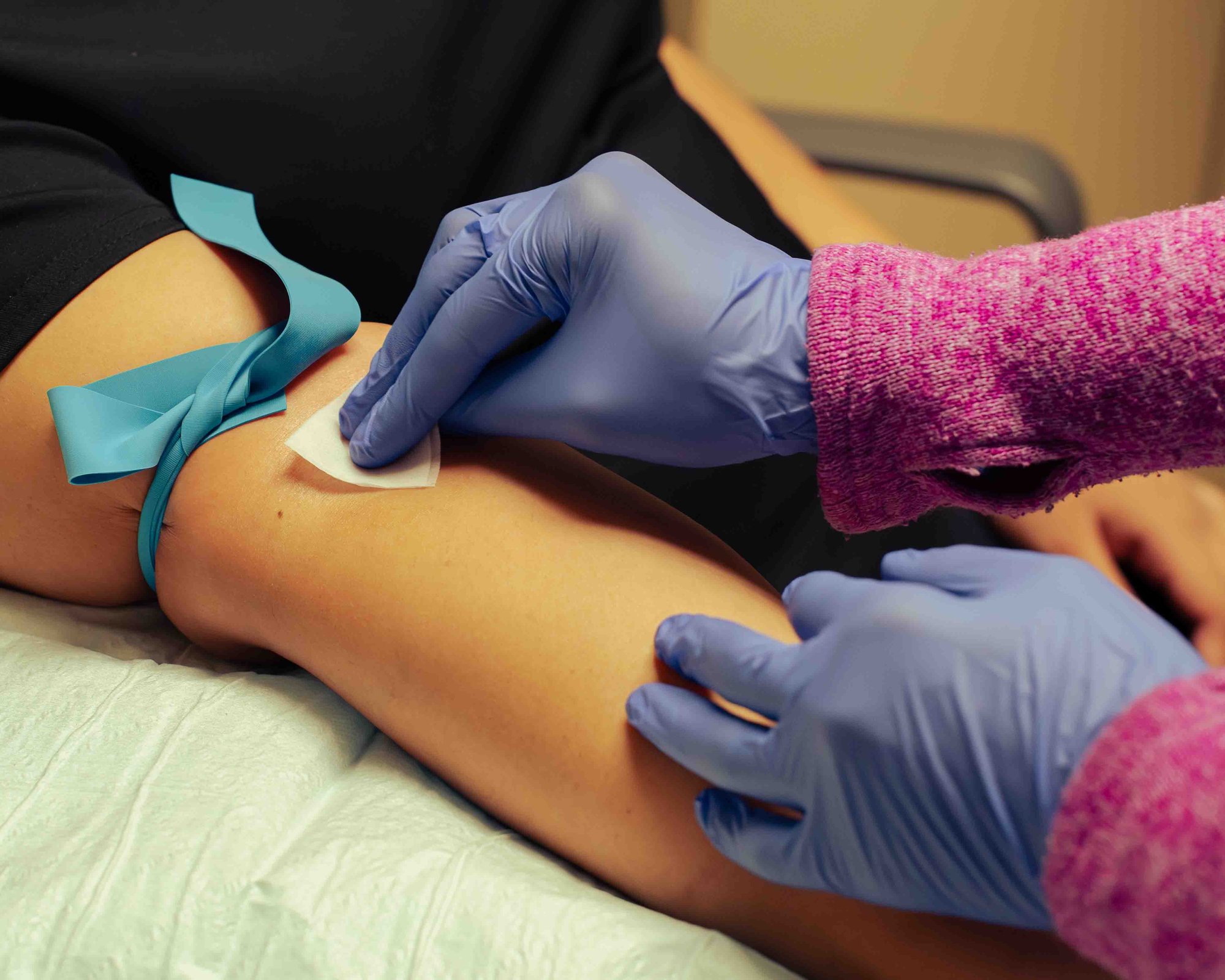
Medical Assistants are dual-role health care professionals who perform both clinical and administrative duties, making them indispensable to the day-to-day function of any clinic or health care facility. Employed in physicians' offices, outpatient clinics, hospitals, urgent care centers, and specialty practices, MAs are typically found rooming patients, recording vital signs, assisting with exams and minor procedures, drawing blood, administering injections and managing patient records. The Bureau of Labor Statistics projects 12% growth in medical assistant employment from 2024 to 2034, with approximately 112,300 job openings expected each year over that decade.
About the Program
The InReach Registered Medical Assistant Apprenticeship Program is a 12-month, earn-while-you-learn apprenticeship that prepares participants to earn the Certified Clinical Medical Assistant (CCMA) credential through the National Healthcareer Association (NHA). In Washington state, where Medical Assistants are required to be certified to practice clinically, the CCMA is a recognized pathway to licensure as a Medical Assistant-Certified (MA-C).
As an employer partner, you select your own apprentices. They work full-time within your organization from day one, generating value and seeing patients as they develop their clinical skills. The structured on-the-job training is reinforced by supplemental coursework completed outside of work hours, so your clinic stays fully staffed throughout the entire program.
Why Apprenticeship over Traditional Hiring?
A 2022 study commissioned by the U.S. Department of Labor and conducted by the Urban Institute found that the median return on investment for registered apprenticeships is $144 for every $100 invested, with two-thirds of employers recouping their full investment within five years.
The U.S. Department of Labor also reports that 90% of apprentices retain employment with their employer after completing a registered apprenticeship, directly addressing the turnover problem that costs health care practices significantly more than the upfront investment in training.
Apprentices generate value from the start. Being full-time employees, they see patients and support clinic operations throughout the 12-month program and are not a sunk cost waiting to be deployed. Apprentices contribute immediately, then stay.
What is a Medical Assistant?
Medical Assistants are dual-role health care professionals who perform both clinical and administrative duties, making them indispensable to the day-to-day function of any clinic or health care facility. Employed in physicians' offices, outpatient clinics, hospitals, urgent care centers, and specialty practices, MAs are typically found rooming patients, recording vital signs, assisting with exams and minor procedures, drawing blood, administering injections and managing patient records. The Bureau of Labor Statistics projects 12% growth in medical assistant employment from 2024 to 2034, with approximately 112,300 job openings expected each year over that decade.
About the Program
The InReach Registered Medical Assistant Apprenticeship Program is a 12-month, earn-while-you-learn apprenticeship that prepares participants to earn the Certified Clinical Medical Assistant (CCMA) credential through the National Healthcareer Association (NHA). In Washington state, where Medical Assistants are required to be certified to practice clinically, the CCMA is a recognized pathway to licensure as a Medical Assistant-Certified (MA-C).
As an employer partner, you select your own apprentices. They work full-time within your organization from day one, generating value and seeing patients as they develop their clinical skills. The structured on-the-job training is reinforced by supplemental coursework completed outside of work hours, so your clinic stays fully staffed throughout the entire program.
Why Apprenticeship over Traditional Hiring?
A 2022 study commissioned by the U.S. Department of Labor and conducted by the Urban Institute found that the median return on investment for registered apprenticeships is $144 for every $100 invested, with two-thirds of employers recouping their full investment within five years.
The U.S. Department of Labor also reports that 90% of apprentices retain employment with their employer after completing a registered apprenticeship, directly addressing the turnover problem that costs health care practices significantly more than the upfront investment in training.
Apprentices generate value from the start. Being full-time employees, they see patients and support clinic operations throughout the 12-month program and are not a sunk cost waiting to be deployed. Apprentices contribute immediately, then stay.
What Apprentices Commit To
Apprentices enter this program with clearly documented expectations, giving you confidence in the professionals you are developing.
Apprentices Commit to:
- Work full-time as a Medical Assistant throughout the 12-month apprenticeship, learning all required clinical skills on the job
- Complete required supplemental coursework on their own time to build toward the NHA CCMA certification exam
- Track and report skill competencies as required throughout the program
- Sit for the NHA CCMA Exam upon course completion
- Follow all employer and program policies and procedures
The program is very valuable. In addition to providing community members with professional growth and development opportunities that include a livable wage, the program improves our employer brand, reduces turnover, and supports our commitment to excellence in patient care and financial stewardship.

We feel the InReach model has proven to offer the most competent & ready-to-practice MA-Cs we have vs. staff who come to us from the local community college program
The most valuable part is that it is less expensive than traditional training programs, and the apprentices are earning money while practicing the skills they are learning about. Additionally, it helps to reduce the barrier of travel to other programs that are further away from our rural town.
Partner With Us
If you are looking for a consistent, credentialed pipeline of Medical Assistants trained in your clinical environment and more likely to stay long-term, we would love to talk about what a partnership could look like for your organization.
Frequently Asked Questions
Employer partners are responsible for two costs: the apprentice's compensation - including their salary and benefits while working full-time at your organization - and tuition for the program curriculum. Tuition rates vary, so we encourage you to fill out our form here so we can breakdown current pricing and discuss what partnership could look like for your organization.
Apprentices work full-time in your clinic from day one and begin seeing patients as they build their skills. Early-stage productivity naturally ramps up over the first few months as competencies develop, but they are contributing to clinic operations throughout, not waiting on the sidelines. The supplemental coursework that supports CCMA certification is completed outside of work hours, so your staffing is never interrupted.
The upfront investment is higher than a standard hire due to the structured mentoring and onboarding that apprenticeship requires, but the long-term return is significantly better. A 2022 study commissioned by the U.S. Department of Labor and conducted by the Urban Institute found the median ROI for registered apprenticeships is $144 for every $100 invested. The primary driver is retention: the U.S. Department of Labor reports that 90% of apprentices stay with their employer after completing the program, compared to the persistent turnover that practice leaders see in the open-market MA pipeline.
By Employers
Yes. Washington state is unique in requiring Medical Assistants to hold licensure to perform clinical tasks. The registered apprenticeship, plus the CCMA through the National Healthcareer Association is a recognized pathway to becoming a licensed Medical Assistant-Certified (MA-C) in Washington. Apprentices who complete the program and pass the CCMA exam are fully qualified to practice independently in a clinical setting.
Yes, and many employer partners choose to do exactly that. Front desk staff, patient service coordinators, or other administrative employees who want to transition into a clinical role are strong candidates for this program. It is a meaningful retention and advancement tool for your existing workforce, not just a recruiting pipeline. Reach out to discuss whether an internal candidate may be a good fit.
Program Pictures
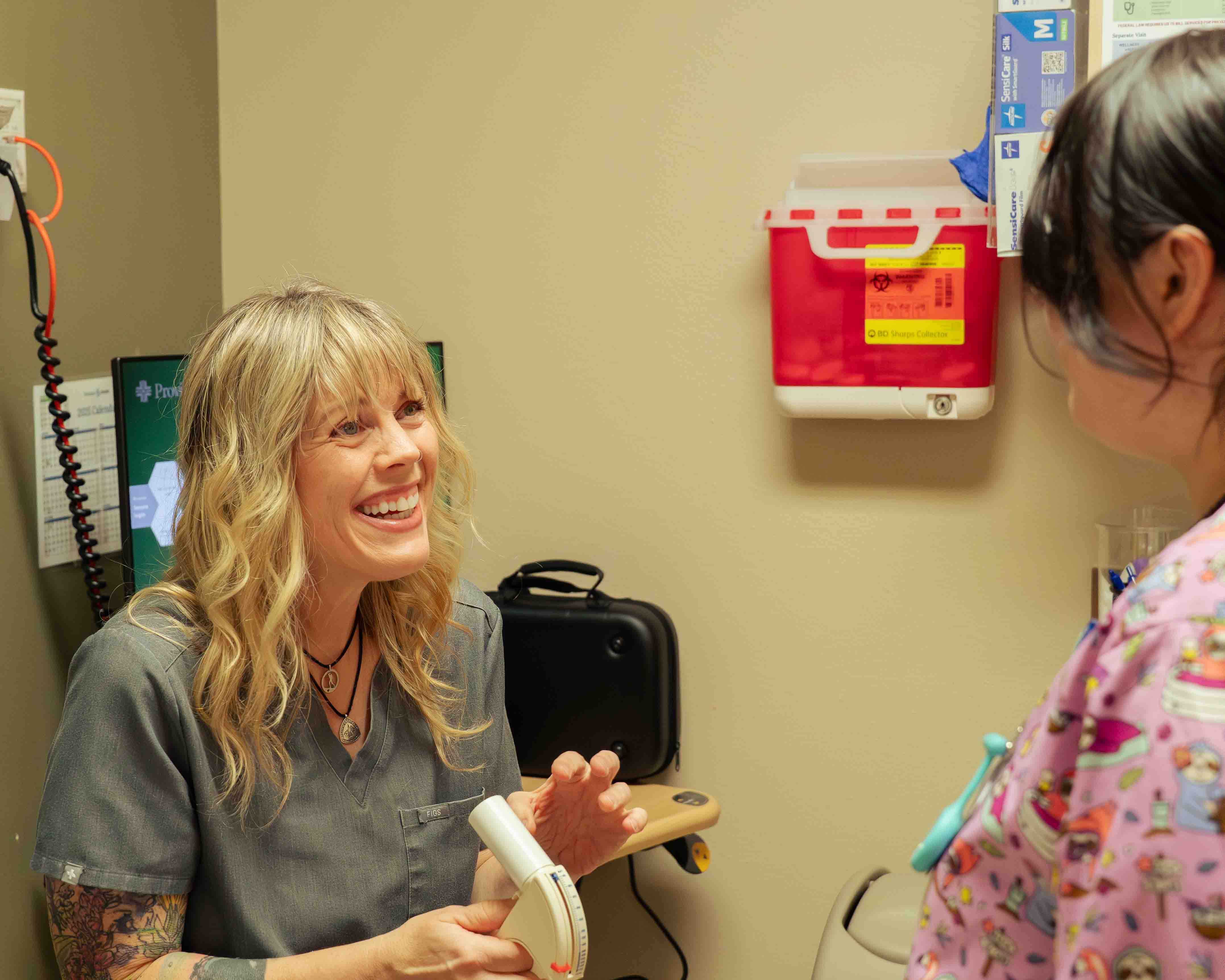
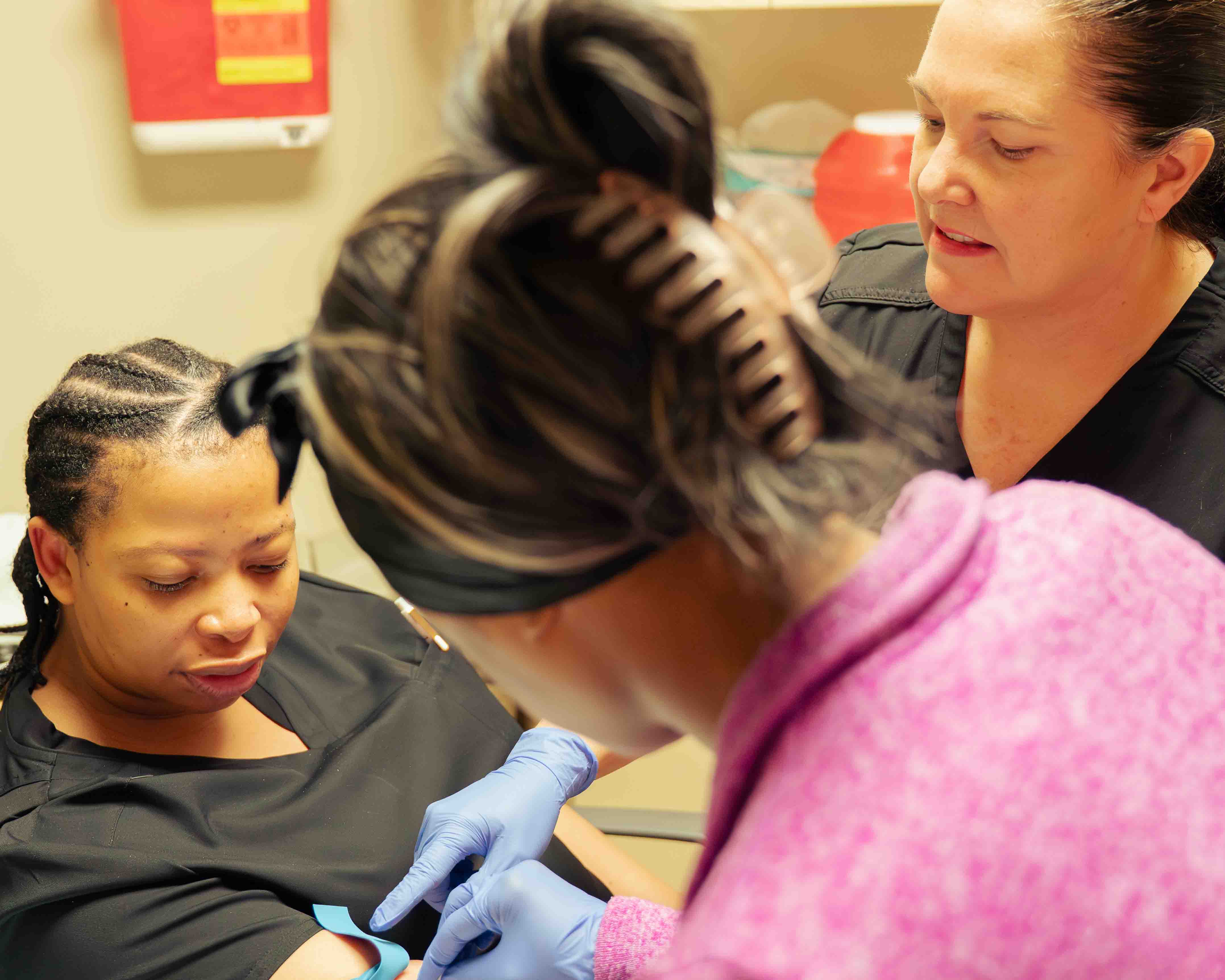
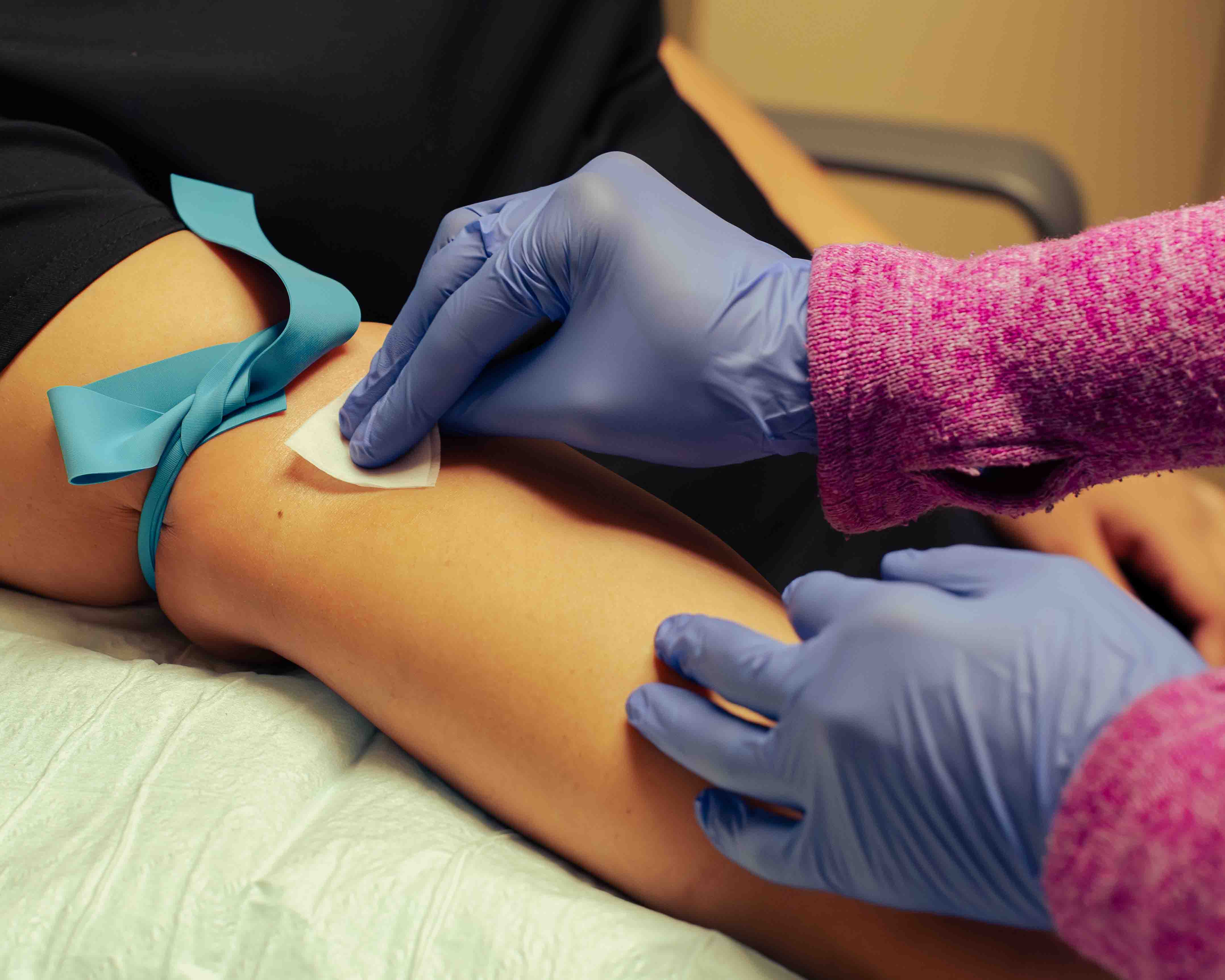
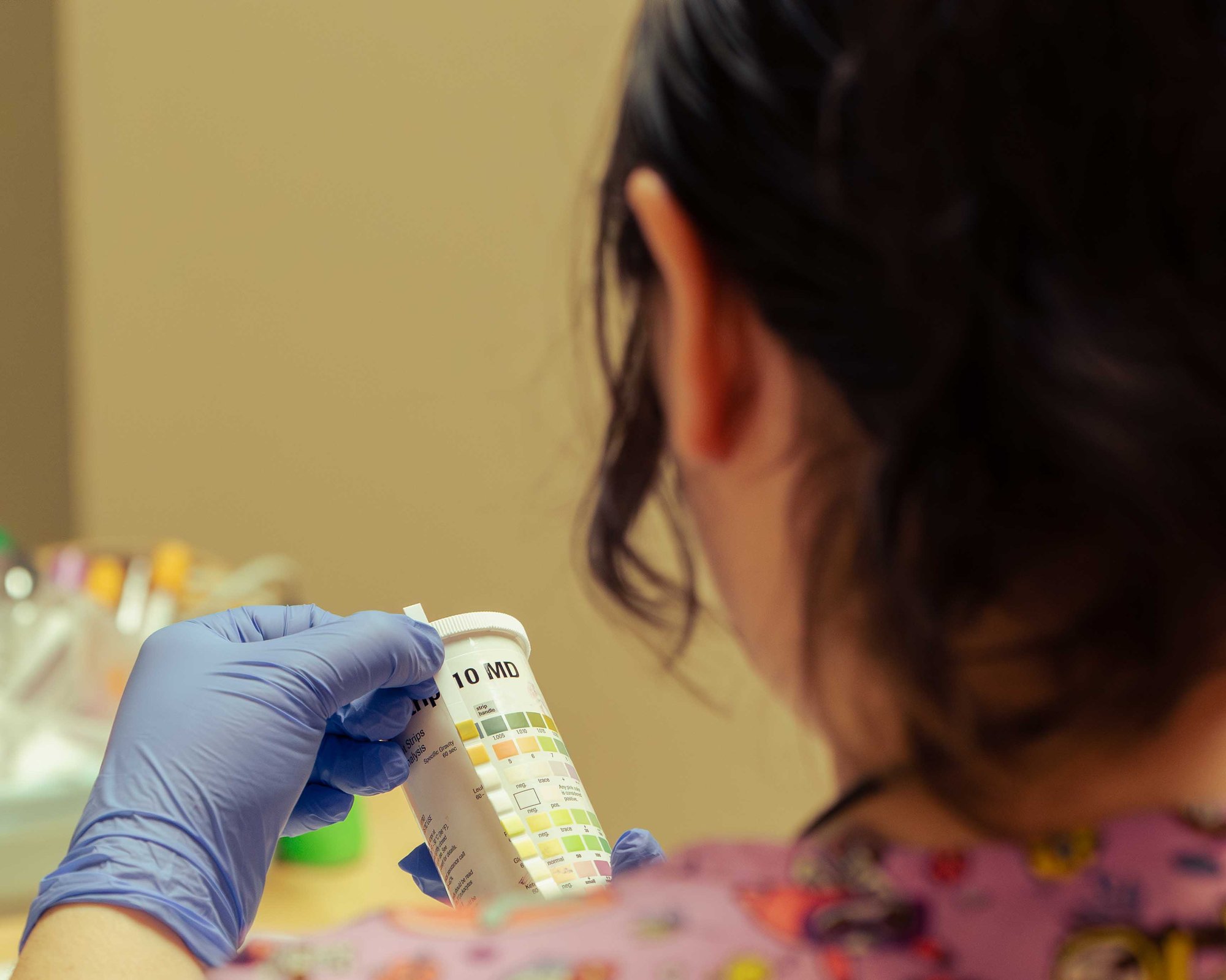
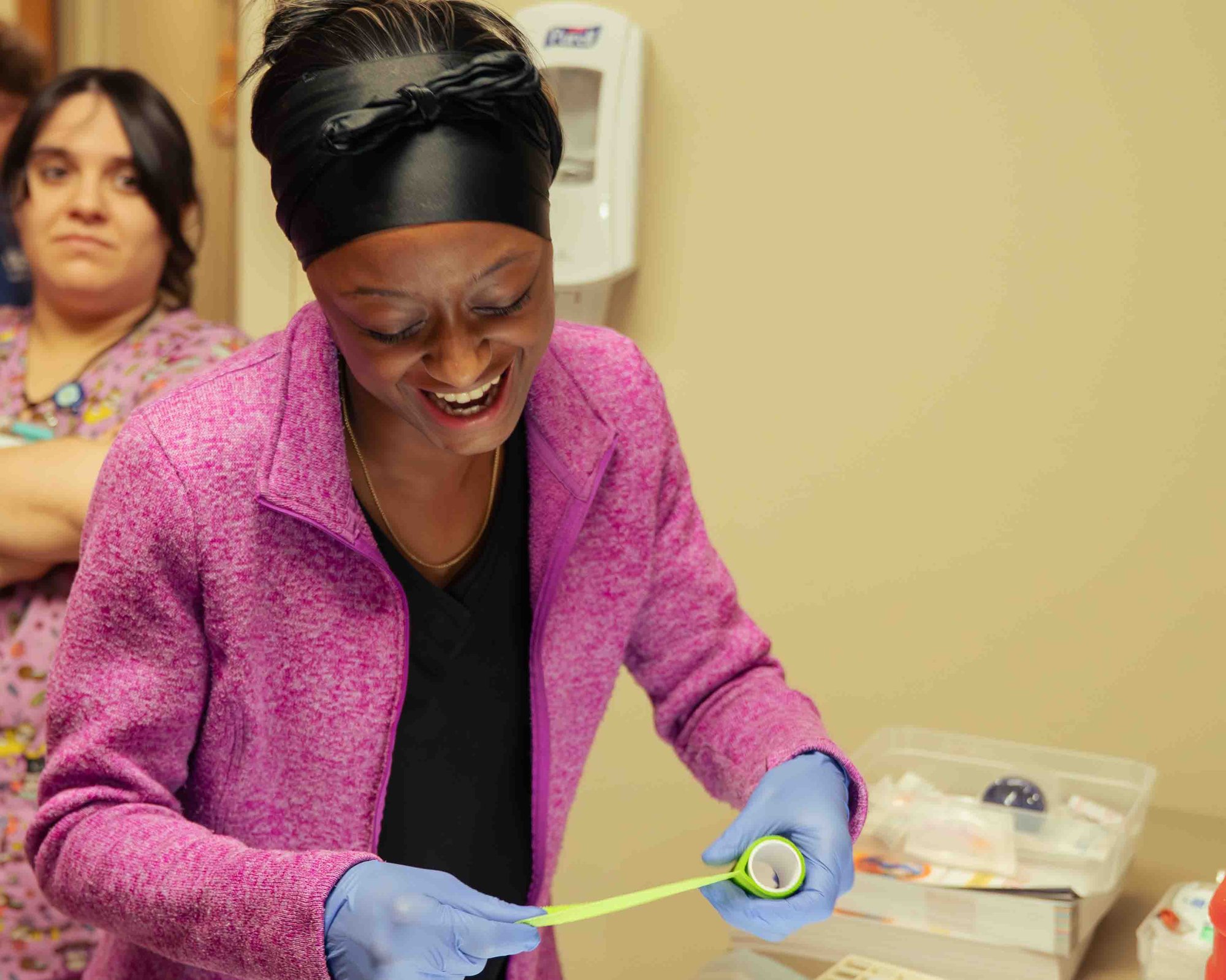
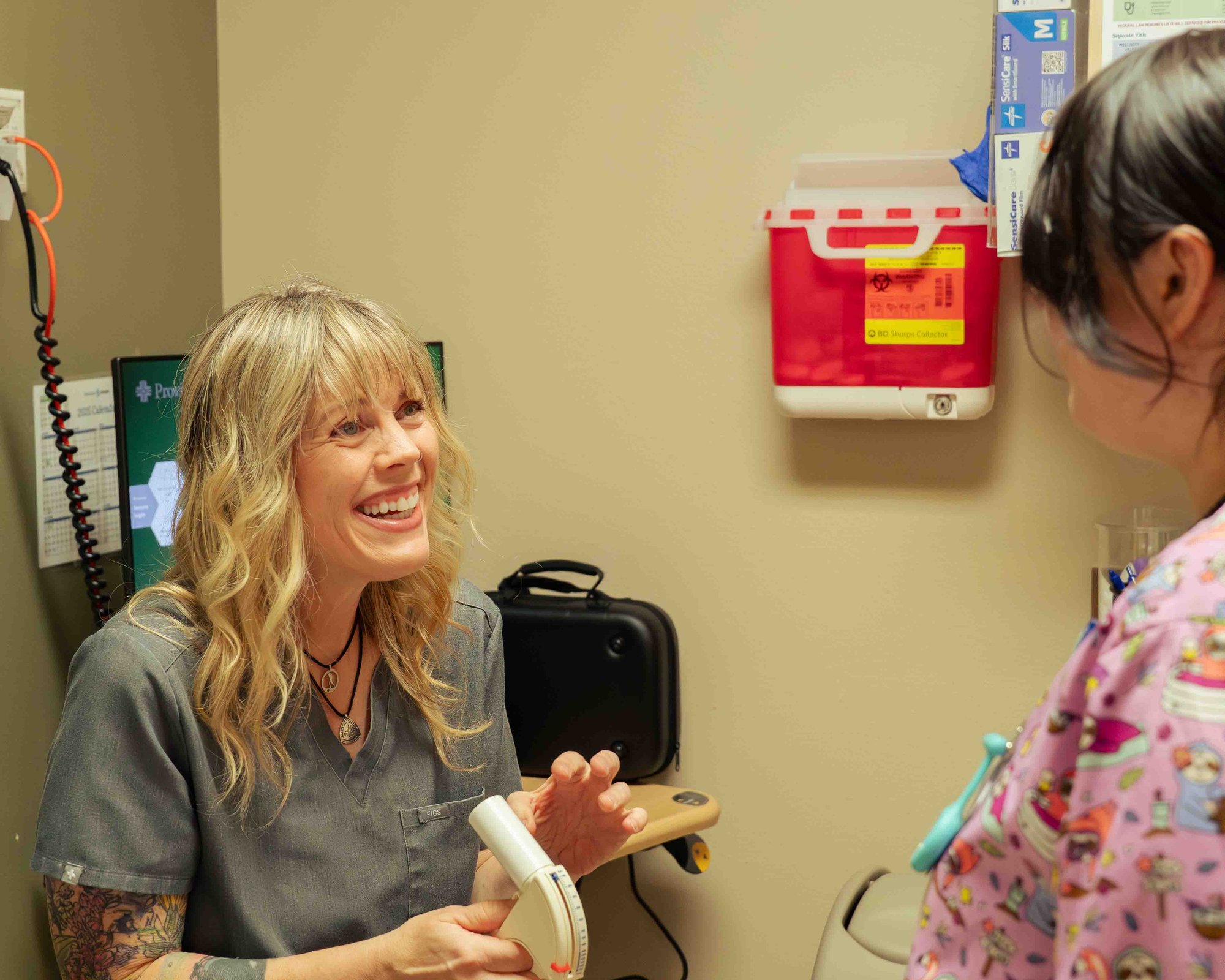
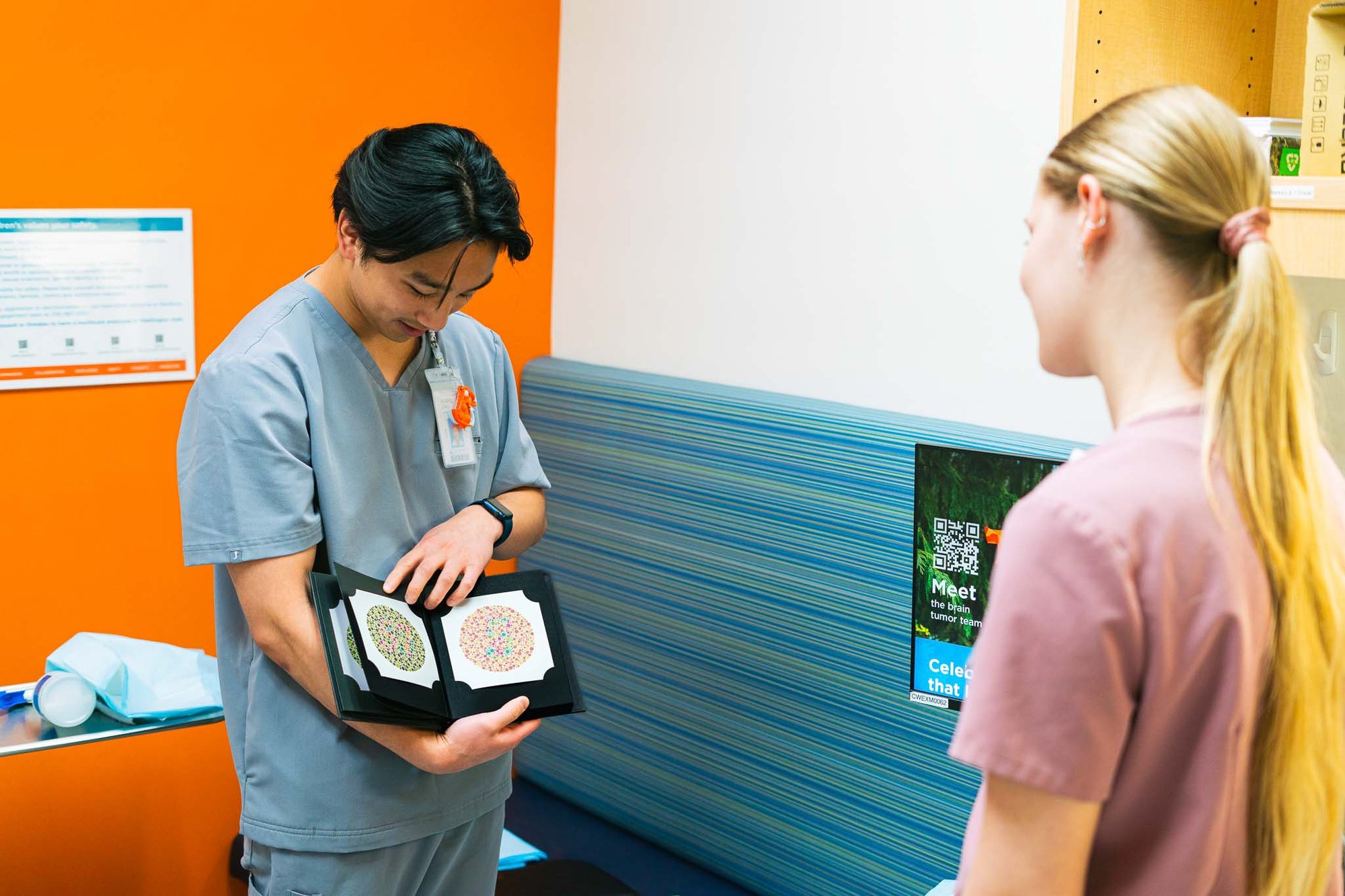
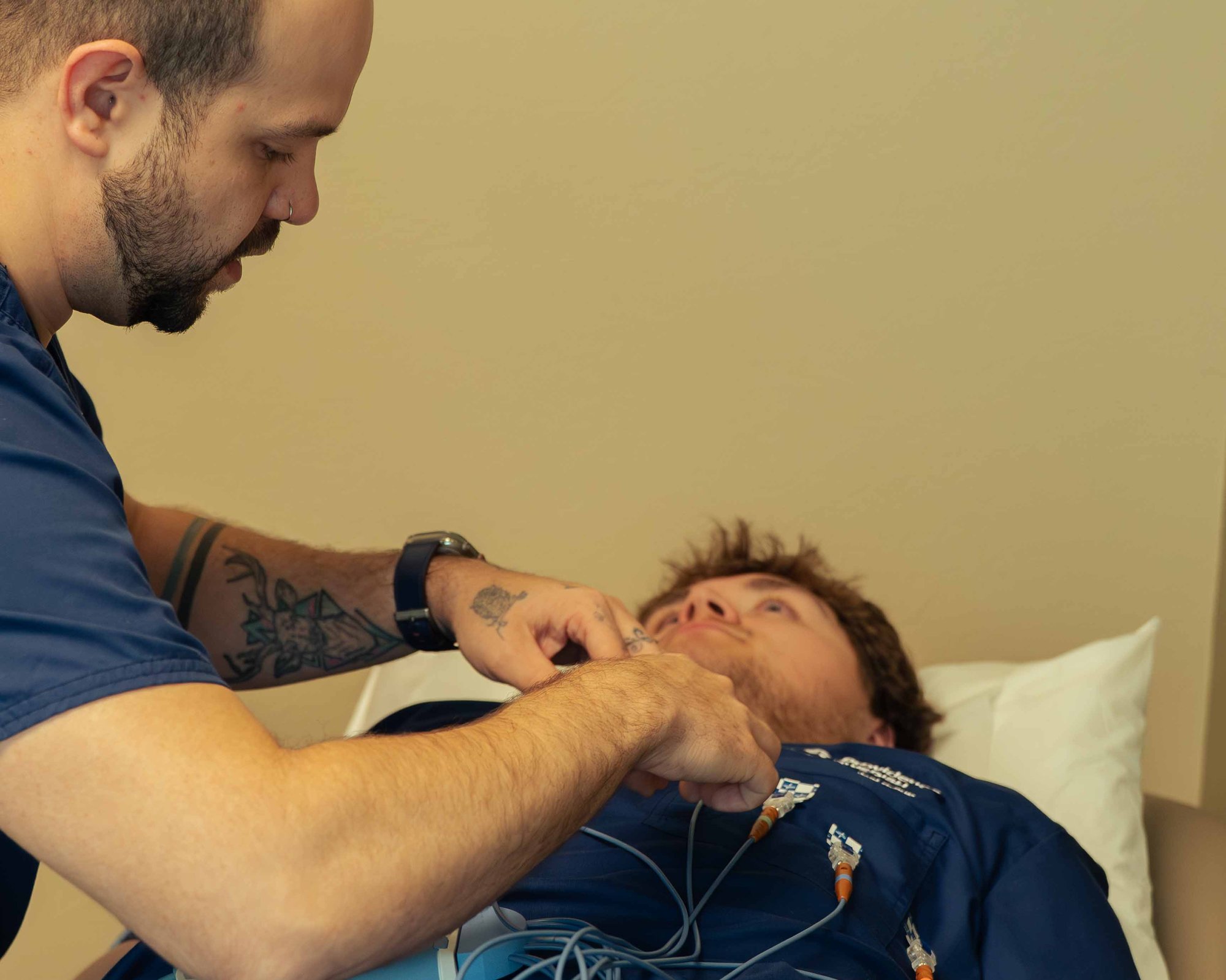
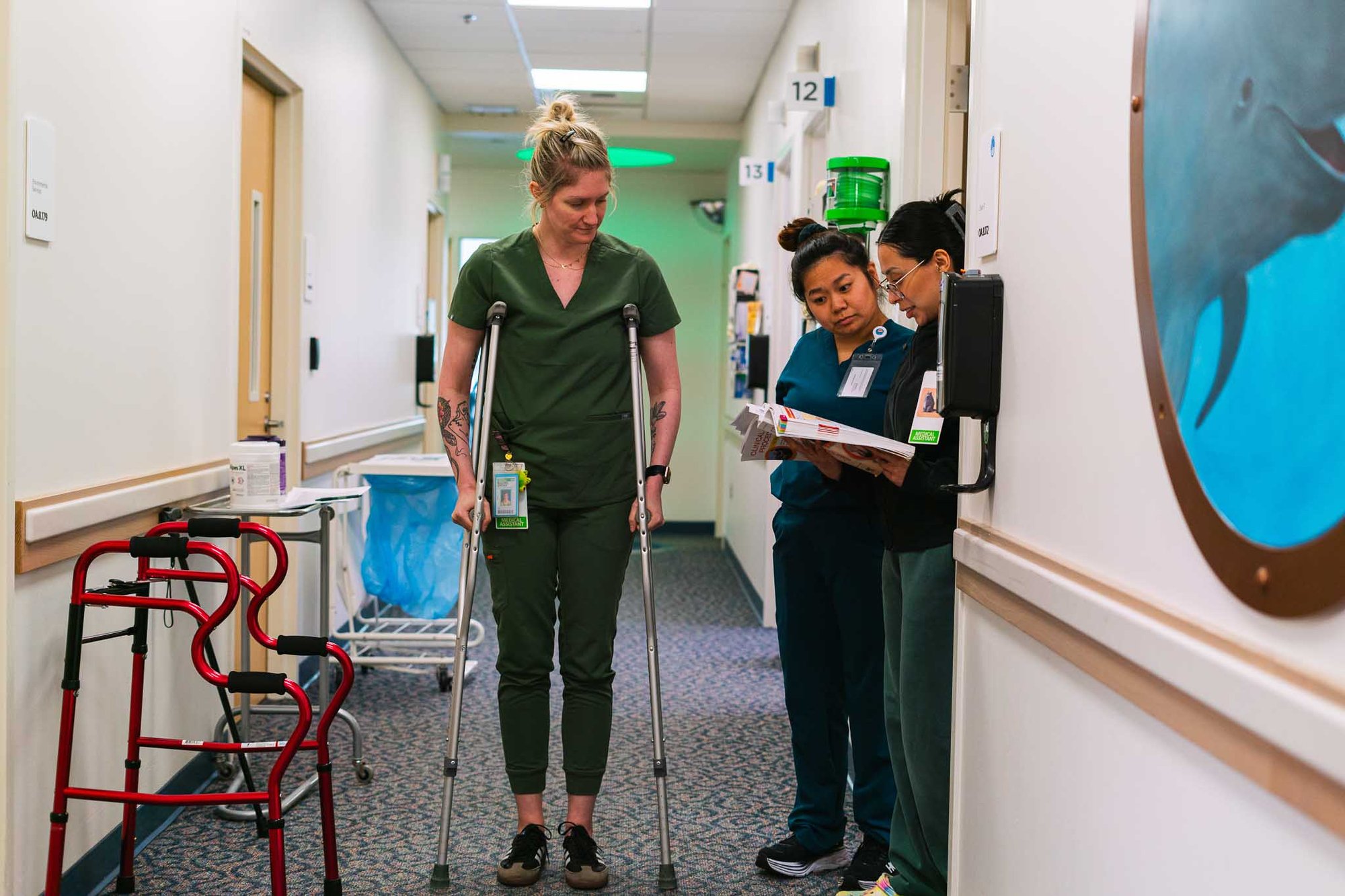
Check out some of the photos from our In-Person Lab Days with the Apprentices below!